


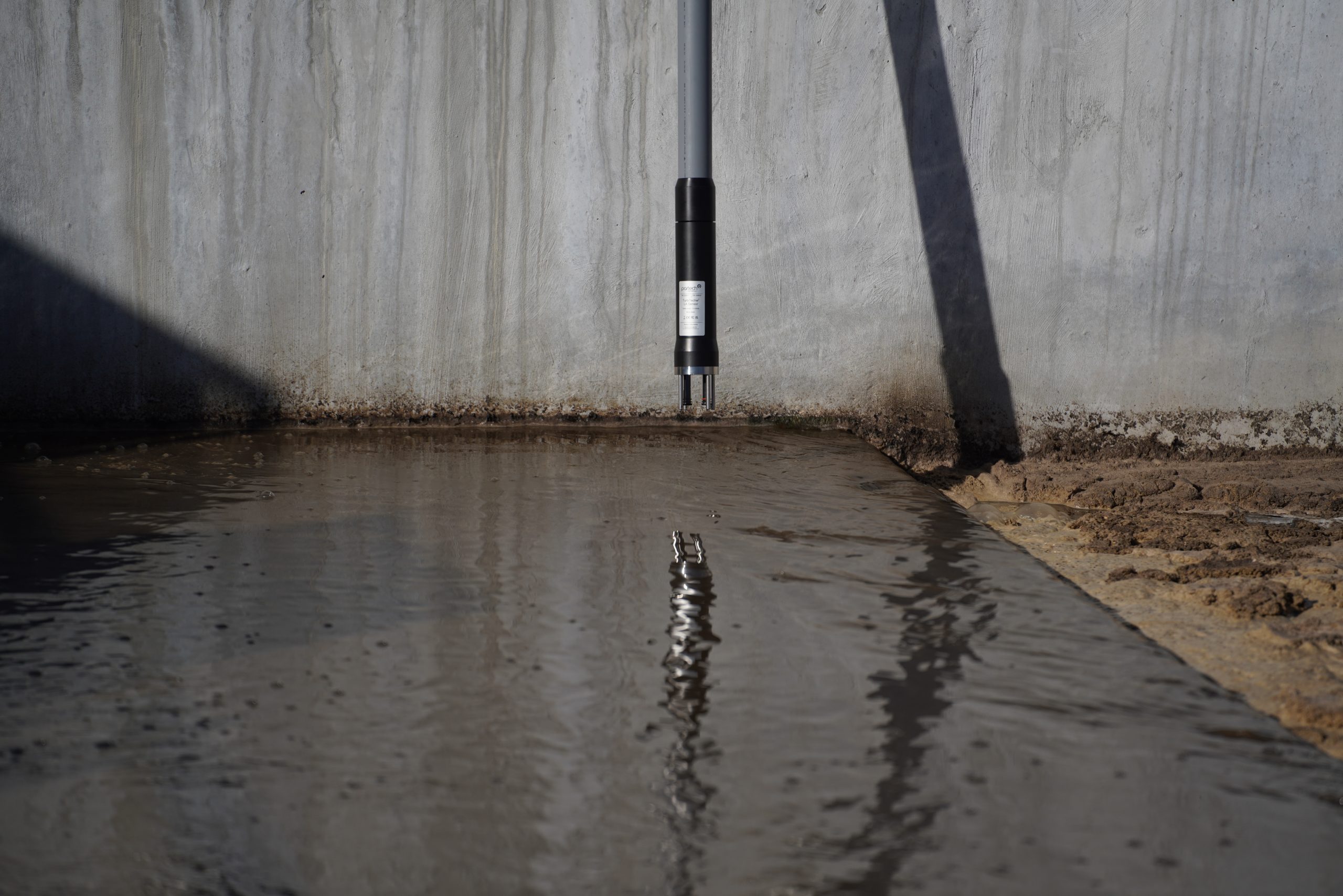
UVT Sensor for UV Disinfection: Why UVT Isn’t Optional in Wastewater Treatment
Wastewater treatment plants are under constant pressure to meet discharge standards while keeping operational costs under control. When it comes to disinfection, that balancing act becomes particularly sharp.
For years, many plants relied on chemical methods like chlorine gas. It’s effective, but it comes with baggage: storage risks, safety concerns, and increasing scrutiny from regulators and surrounding communities.
UV disinfection changed the game. But like most engineering solutions, solving one problem introduced another.
The Hidden Challenge in UV Disinfection
UV disinfection systems don’t work simply by being “on.” Their effectiveness depends on one critical variable:
How much UV light actually penetrates the water.
Water entering the disinfection stage isn’t constant. Organic load fluctuates throughout the day, influenced by upstream processes, inflow conditions, and operational disturbances. These organics absorb UV light, reducing its ability to reach and deactivate pathogens.
Historically, operators had two choices:
- Overcompensate: Run UV lamps at maximum intensity (safe, but expensive)
- Estimate: Dose based on indirect parameters like flow rate (convenient, but often inaccurate)
Flow rate doesn’t tell you what is actually in the water. And overdriving UV systems turns electricity into a very expensive safety blanket.
Measuring What Actually Matters: UVT Sensors
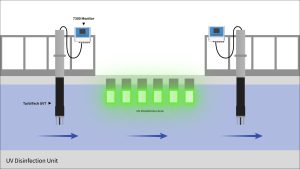
This is where a UVT sensor becomes critical.
A UV transmittance (UVT) sensor measures how much UV light passes through water at a 254 nm wavelength, the same wavelength used for germicidal disinfection. This makes it one of the most relevant parameters for UV disinfection monitoring.
The Principle
- A 254 nm UV light is transmitted through the water
- Organic matter absorbs part of that light
- The sensor measures the intensity reaching the detector
The result is a real-time indication of organic load and disinfection conditions.
Less light transmitted = Higher organic load = More UV power required
Instead of estimating, operators can now base decisions on actual water quality.
From Static Systems to Dynamic UV Disinfection
Control
The real shift isn’t just measurement, it’s control.
With continuous data from a UVT sensor, wastewater plants can:
- Increase UV lamp intensity during organic spikes
- Reduce power consumption when conditions are clean
- Maintain compliance without overdesigning systems
UV disinfection is often the second-largest energy consumer in a treatment plant, behind aeration. Real-time UVT monitoring ensures that energy efficiency becomes measurable and controllable, not assumed.
Designed for Real Wastewater Conditions
Sensors don’t fail on spec sheets, they fail in the field. The In-Situ TurbiTech UVT Sensor was built specifically for the realities of wastewater treatment.
Tuned Sensitivity
The optical path length is optimized for post-treatment water, providing sensitivity at low concentrations while still detecting sudden spikes caused by process upsets.
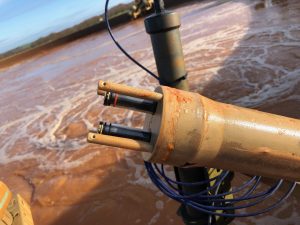
Advanced Anti-Fouling Cleaning
Anything installed in wastewater will foul over time.
Unlike:
- Air or water blast systems (which require compressors and added infrastructure), or
- Mechanical wipers (which can smear fouling across optical surfaces),
the TurbiTech UVT uses a radial cleaning system with scrapers and seals to maintain measurement accuracy and reduce maintenance frequency.
UVT + TSS: A Smarter Monitoring Approach
The TurbiTech UVT sensor doesn’t just measure UV transmittance, it also provides Total Suspended Solids (TSS) data.
This adds another layer of process insight:
- Detecting clarifier breakthrough
- Identifying upstream process failures
- Understanding particulate interference with UV disinfection
Traditionally, this would require separate instruments. Combining UVT and TSS into a single sensor reduces both capital cost and installation complexity.
Why UVT Sensors Are No Longer Optional
UV disinfection without a UVT sensor is a bit like running a process blind. It may work under stable conditions, but it leaves no room for variation, optimisation, or efficiency.
A UVT sensor for wastewater treatment provides:
- Real-time visibility into disinfection conditions
- Data-driven control of UV dosing
- Reduced energy consumption
- Improved compliance confidence
The Bottom Line
UV disinfection is only as effective as the light that actually reaches the pathogens.
The In-Situ TurbiTech UVT Sensor gives operators real-time insight into that exact variable, enabling smarter control, lower operating costs, and more reliable performance.
With the added benefit of TSS measurement, it goes beyond a single-parameter instrument and becomes a practical tool for broader process monitoring.
Reliable data doesn’t just improve compliance. It reduces risk, lowers costs, and puts operators back in control of their systems.