


Bridging the Gap Between Theory and Practice in Groundwater Monitoring
Hands-On Hydrogeology Training with Modern Monitoring Technologies
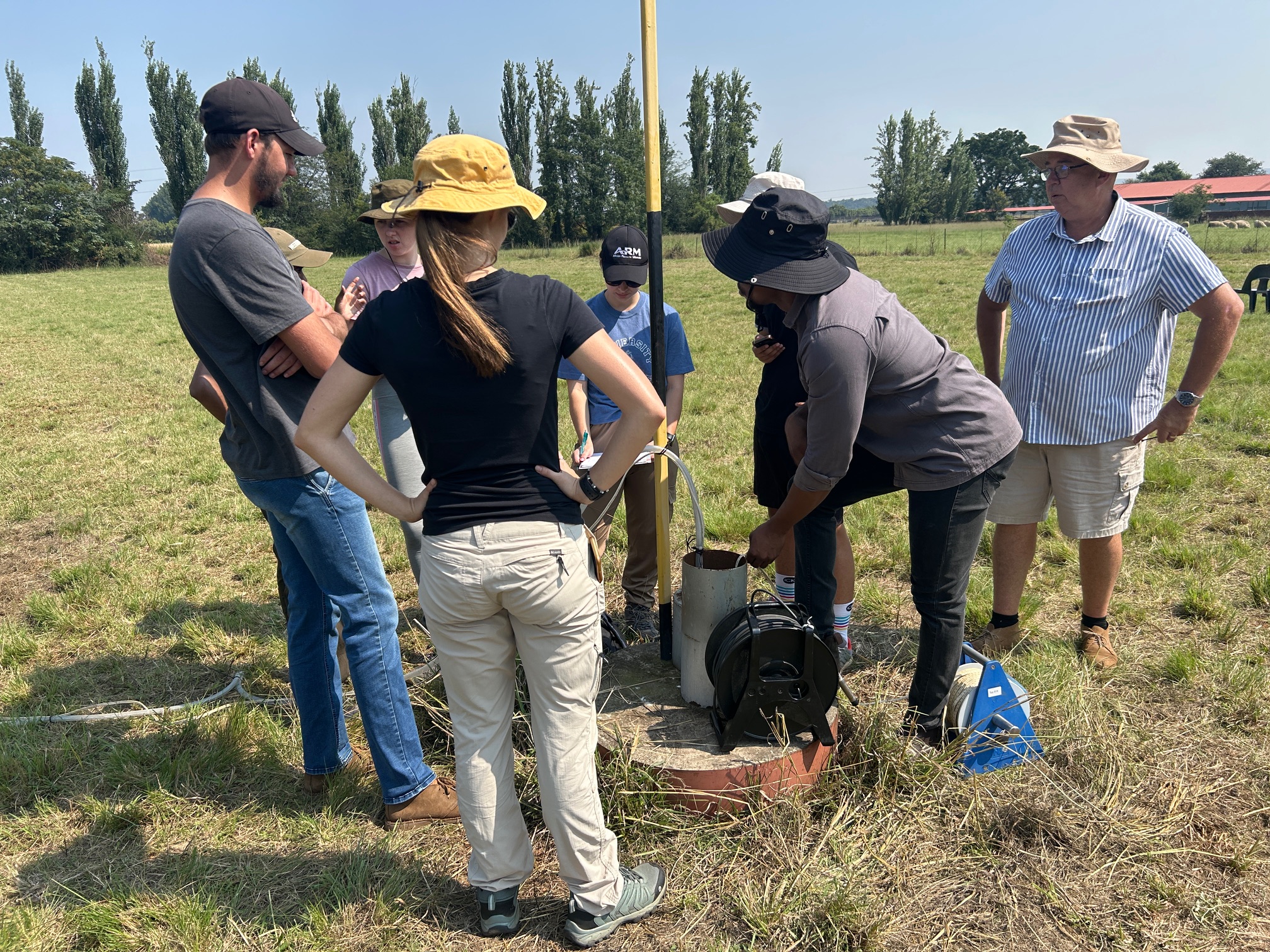
At University of Pretoria, hydrogeology and engineering geology students are not only learning groundwater theory in the classroom. They are also gaining exposure to the practical tools and workflows used in real-world environmental and groundwater monitoring.
This week, SME Monitoring will once again be presenting a practical groundwater and water quality monitoring session for honours students, continuing a collaboration focused on bridging the gap between theory and practice.
Working alongside academics including Nelda Smith and Matthys Dippenaar, the session introduces students to the technologies and challenges involved in modern groundwater monitoring programs.
Why Practical Exposure Matters
Environmental monitoring has evolved dramatically over the last few decades.
What once relied heavily on manual data collection now involves autonomous sensors, cloud-based telemetry, real-time alarms, and advanced water quality instrumentation. Yet many students first encounter these systems only after entering industry.
Practical sessions help students connect hydrogeological theory to field implementation by demonstrating:
- Groundwater level monitoring
- Barometric compensation principles
- Pump testing workflows
- Water quality monitoring techniques
- Data logging and telemetry systems
- Field maintenance and calibration procedures
- Remote environmental data management
The goal is simple: give future hydrogeologists practical insight into how environmental monitoring systems operate outside the textbook.
From Manual Logging to Real-Time Monitoring
One of the major themes covered during the session is the evolution of groundwater monitoring technology.
Traditional manual logging methods can be:
- Time-consuming
- Labour intensive
- Prone to human error
- Difficult to scale across multiple sites
Modern autonomous monitoring systems solve many of these challenges through continuous data collection and remote access capabilities.
Students are introduced to technologies such as:
- Stand-alone groundwater loggers
- Telemetry systems
- Multiparameter water quality sondes
- Doppler flow monitoring systems
- Cloud-based environmental data platforms
These systems now play a critical role across:
- Mining
- Municipal water management
- Groundwater investigations
- Tailings monitoring
- Wastewater management
- Surface water monitoring
Understanding Groundwater Level Monitoring
A key focus area is groundwater pressure and level measurement.
Students explore:
- Absolute vs vented pressure sensors
- Barometric compensation
- Sources of field error
- Accuracy considerations
- Pump testing applications
One important principle demonstrated is how atmospheric pressure affects water level measurements.
Even relatively small barometric pressure changes can significantly alter uncompensated groundwater level data. Understanding how to compensate for these effects is essential for producing accurate long-term groundwater datasets.
Water Quality Monitoring in Real Applications
The session also introduces students to modern water quality monitoring technologies from In-Situ Inc..
Applications discussed include:
- Nutrient monitoring
- Contamination investigations
- Wastewater monitoring
- Surface water quality assessment
- Harmful algal bloom monitoring
- Coastal and marine monitoring
Students are exposed to the practical realities of field monitoring, including:
- Sensor fouling
- Calibration requirements
- Maintenance intervals
- Data quality assurance
- Response times
- Deployment limitations
Rather than viewing monitoring as purely theoretical data collection, students begin to understand the operational and environmental challenges that influence real-world measurements.
Real-Time Environmental Data
Modern environmental monitoring is increasingly driven by remote data access and telemetry systems.
During the session, students explore how field instruments communicate through:
- Cellular telemetry
- Satellite communications
- Cloud-based platforms
- Mobile applications
These technologies allow environmental professionals to:
- Access live field data remotely
- Receive alarms and notifications
- Reduce unnecessary site visits
- Improve response times
- Build long-term datasets for decision-making
This shift toward connected monitoring systems is transforming how groundwater and environmental programs are managed globally.
Preparing the Next Generation of Water Professionals
One of the most valuable aspects of practical industry sessions is exposing students to the realities of environmental work before entering the field professionally.
From installation techniques and sensor maintenance to data interpretation and budgeting considerations, students gain a broader understanding of what successful monitoring programs actually require.
As environmental pressures continue to grow across Southern Africa, the need for skilled hydrogeologists and environmental professionals has never been greater.
Collaborations between academia and industry help ensure graduates enter the workforce with both theoretical understanding and practical awareness.
Looking Ahead
SME Monitoring is proud to continue supporting practical groundwater and water quality education initiatives alongside the University of Pretoria.
By combining modern monitoring technologies with hands-on learning, these sessions help prepare the next generation of hydrogeologists, engineers, and environmental scientists for the challenges of managing and protecting water resources in the real world.