


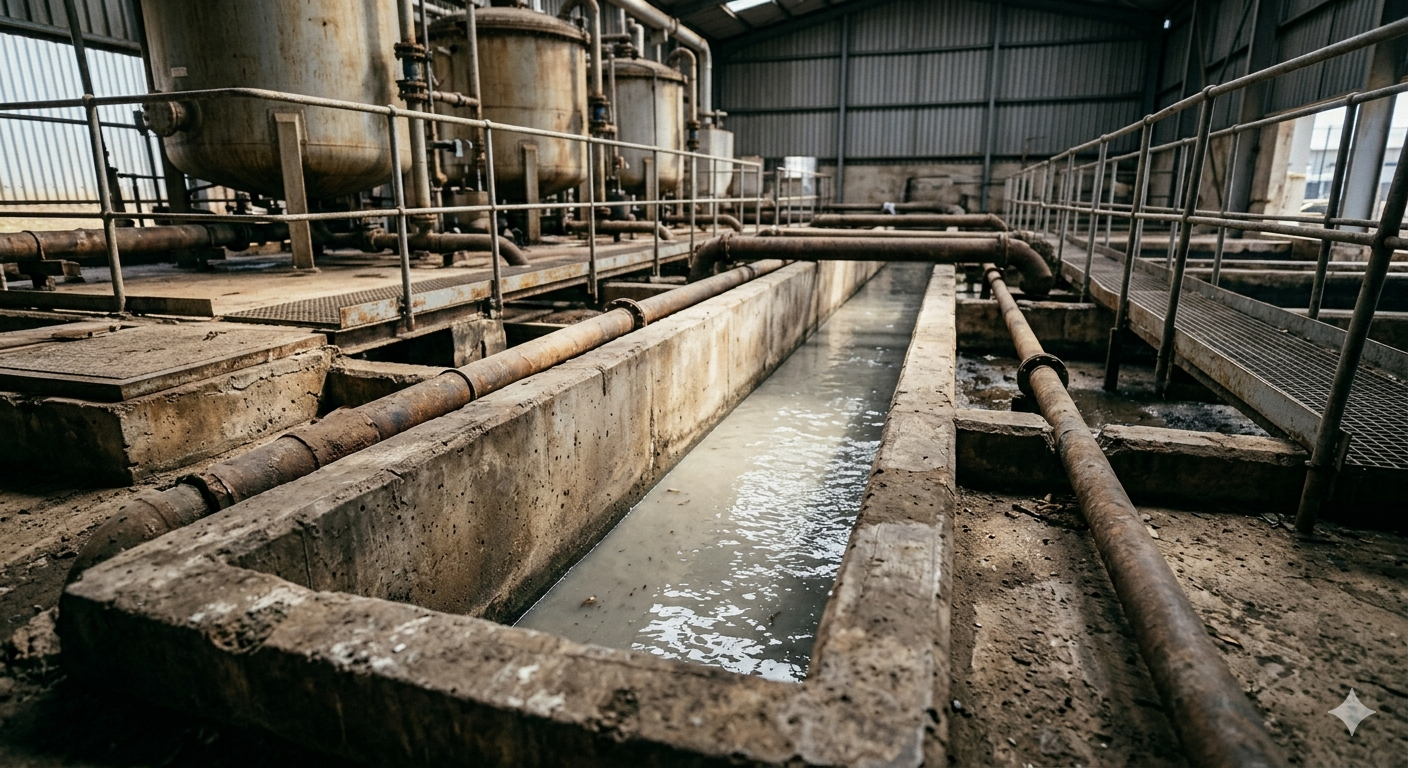
Why Flow Monitoring Fails in the Field (And How to Improve Accuracy)
Why Accurate Flow can be challenging in Real-World Conditions
Flow measurement errors are a common issue in sewer, stormwater, and open channel monitoring systems. Flow monitoring in controlled environments is straightforward.
In the field, it rarely is.
Sewer networks, stormwater systems, and open channels are subject to constant variability. Flow conditions change, infrastructure degrades, and hydraulic behaviour shifts over time.
Accurate flow monitoring depends on whether these real-world conditions are properly accounted for during system selection, installation, and operation.
What Causes Flow Measurement Errors?
1. Using the Wrong Flow Measurement Method
Flow measurement technologies are designed for specific hydraulic conditions.
For example:
- Electromagnetic flow meters require pipes to be completely full
- Weirs and flumes rely on controlled and stable flow conditions
- Level-based methods depend on consistent channel geometry
When these conditions are not met, measurement accuracy is compromised.
In open channels and partially filled pipes, selecting an unsuitable method introduces consistent and repeatable errors.
2. Poor Flow Meter Installation Practices
Installation directly affects measurement quality.
Common issues include:
- Placement in areas with turbulence or unstable flow
- Incorrect sensor orientation relative to flow direction
- Mounting instability or poor fixing methods
- Installation in sections prone to sediment buildup
These factors can distort both velocity and level measurements, leading to inaccurate flow calculation.
3. Changing Hydraulic Conditions in Open Channels and Pipes
Hydraulic conditions evolve over time.
Typical influences include:
- Sediment accumulation
- Biofouling
- Vegetation growth in open channels
- Structural changes within pipes or channels
These changes alter flow profiles and cross-sectional characteristics.
Any measurement approach that relies on fixed assumptions becomes less accurate as these conditions change.
4. Operating Flow Monitoring Systems Outside Their Design Limits
Flow monitoring systems are designed to operate within defined limits.
Accuracy issues arise when systems are exposed to:
- Very low velocities below sensor thresholds
- High flow events causing surcharge conditions
- Rapidly fluctuating flow regimes
Operating outside these limits leads to unreliable or incomplete data.
5. Lack of Maintenance and Verification in Flow Monitoring Systems
Flow monitoring systems require periodic verification.
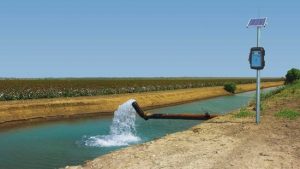 Without it:
- Sensors may drift over time
- Debris may interfere with readings
- Site conditions may invalidate original assumptions
Routine inspection and validation are necessary to maintain data integrity.
Why Flow Monitoring Accuracy Matters for Decision-Making
Flow data is used for:
- Regulatory compliance
- Infrastructure planning and upgrades
- Pollution load calculations
- Flood risk assessment
If flow data is inaccurate, the resulting decisions are based on incorrect information.
Reliable monitoring supports consistent and defensible outcomes.
How to Improve Flow Monitoring Accuracy in the Field
Match the Flow Measurement Method to Site Conditions
The selected method should align with: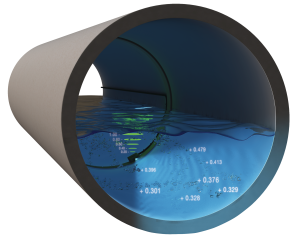
- Open channel or closed pipe conditions
- Expected variability in flow
- Site-specific hydraulic behaviour
Ensure Proper Installation of Flow Monitoring Equipment
Installation should consider:
- Flow profile stability
- Correct sensor positioning
- Secure and stable mounting
- Accessibility for maintenance
Account for Changing Flow Conditions Over Time
Monitoring systems should be capable of handling:
- Sediment and debris
- Seasonal or long-term environmental changes
- Variable flow regimes
Define Operating Limits for Flow Monitoring Systems
It is important to understand:
- Minimum and maximum measurable flow conditions
- Expected surcharge events
- System limitations under extreme conditions
Implement Routine Verification and Maintenance
Ongoing maintenance should include:
- Visual inspections
- Data validation checks
- Periodic recalibration where required
A Practical Approach to Reliable Flow Monitoring Systems
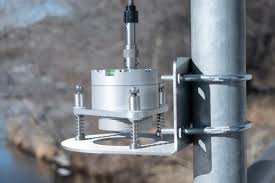 Accurate flow monitoring is achieved through alignment between:
- Measurement technology
- Installation quality
- Site conditions
- Ongoing system management
Considering these elements together improves consistency and reliability of flow data.
How Integrated Monitoring Improves Flow Data Reliability
Flow monitoring provides quantitative data.
In many applications, additional context is required, including:
- Water quality parameters
- Event-based monitoring
- Real-time data access
Integrating these elements allows for improved understanding of system performance and behaviour.
What Is the Most Accurate Flow Monitoring Method for Open Channels?
There is no single method that is universally the most accurate.
Accuracy depends on how well the method matches site conditions.
In open channels and partially filled pipes, methods that directly measure velocity and level are often more adaptable to changing conditions than methods relying solely on assumed hydraulic relationships.
The appropriate choice should be based on:
- Hydraulic conditions
- Required accuracy
- Installation constraints
- Maintenance considerations
Final Thought: Designing Flow Monitoring for Real Conditions
Flow monitoring systems should be designed around actual site conditions, not ideal assumptions.
Accounting for variability, installation quality, and long-term changes is essential for maintaining accurate and reliable data.