


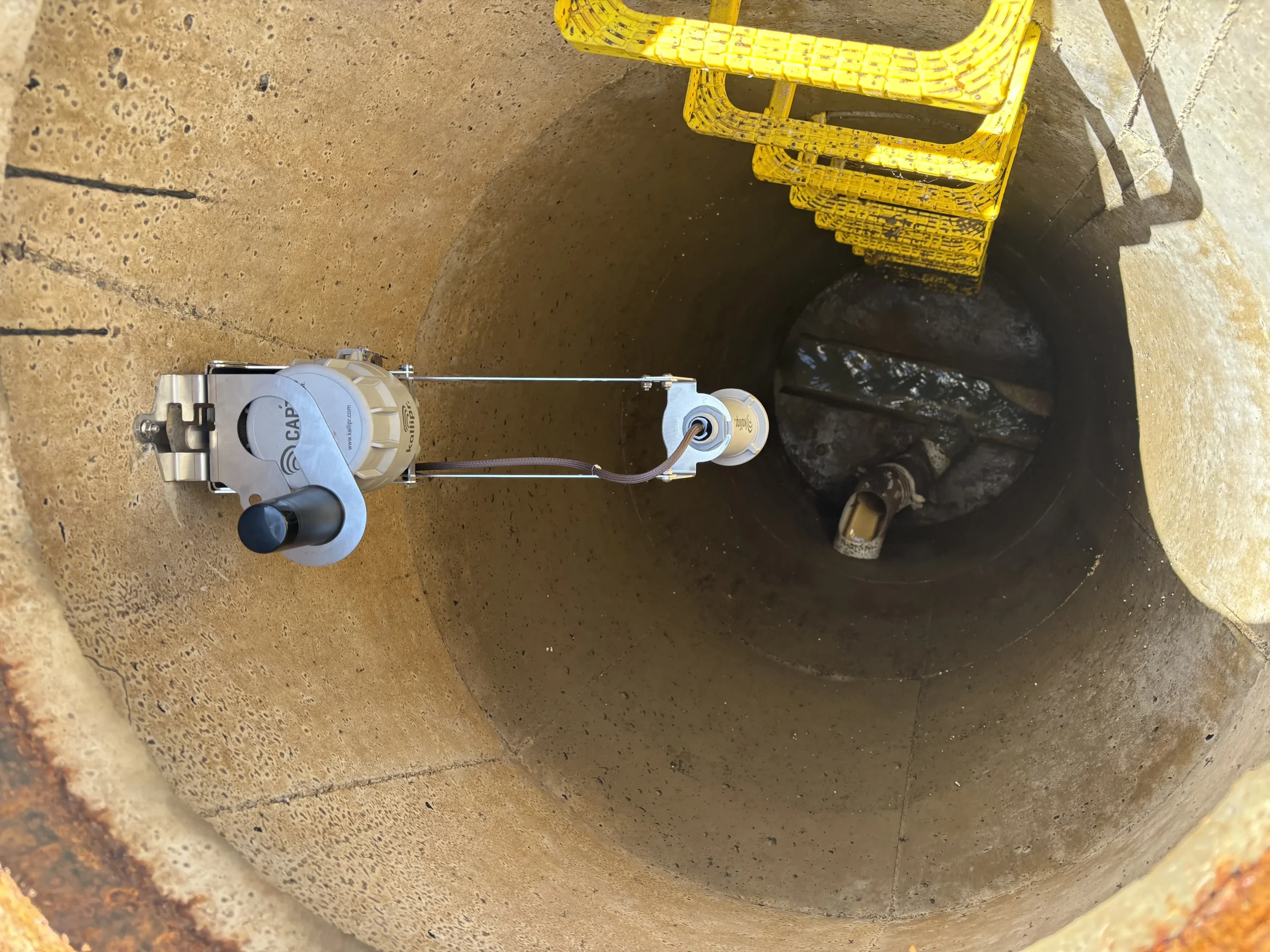
Sewer Level Monitoring: Lessons from a Real-World Trial
Introduction
Sewer networks are out of sight—but they shouldn’t be out of mind.
Accurate level monitoring plays a critical role in:
- Preventing overflows
- Managing capacity
- Supporting proactive maintenance
But sewer environments are harsh, unpredictable, and not particularly forgiving when it comes to instrumentation.
A field trial by Kallipr provides a practical look at how sewer level monitoring systems perform under real operating conditions—and what needs to be considered to make them work reliably.
What Makes Sewer Monitoring Difficult?
Before even selecting equipment, it’s worth understanding the environment:
- Corrosive gases like hydrogen sulphide (H₂S)
- High humidity and condensation
- Confined spaces with limited access
- Highly variable flow conditions
These factors don’t just affect accuracy—they directly impact sensor lifespan, maintenance requirements, and overall system reliability.
Trial Overview
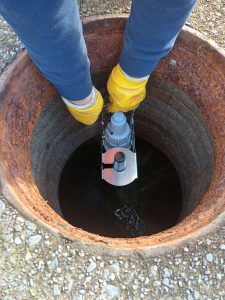
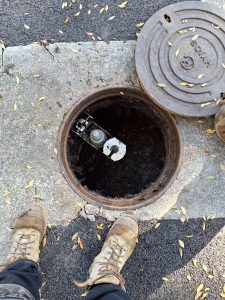
- Measurement performance in real conditions
- Installation considerations
- Reliability over time
- Maintenance requirements
Importantly, this was not a controlled test—it was conducted in a live sewer environment, where conditions are constantly changing.
Key Lessons from the Trial
1. Real Conditions Expose Weaknesses Quickly
Equipment that performs well in controlled environments can struggle in sewers.
Gas exposure, moisture, and debris all contribute to:
- Signal instability
- Component degradation
- Reduced measurement reliability
The takeaway is simple: field conditions matter more than specifications.
2. Non-Contact Sensors Reduce Risk
Non-contact technologies, such as ultrasonic sensors, avoid direct interaction with wastewater.
This helps to:
- Reduce fouling
- Limit corrosion exposure
- Extend operational life
However, the trial showed that proper configuration and installation are essential to avoid issues like signal loss or erratic readings.
3. Installation Drives Performance
Even the best sensor can underperform if installed incorrectly.
The trial highlighted the importance of:
- Correct positioning within the manhole
- Avoiding turbulence and obstructions
- Ensuring stable mounting
In many cases, installation quality had a greater impact than sensor type.
4. Consistent Data Is the Real Goal
A system that works on day one isn’t enough.
For sewer monitoring to be useful, it must:
- Deliver stable readings over time
- Require minimal intervention
- Provide data that can be trusted for decision-making
This is where many systems fall short—and where well-designed solutions stand out.
5. Maintenance Should Be Predictable
Sewer environments will always require some level of maintenance.
The key is not eliminating it—but making it:
- Planned rather than reactive
- Infrequent where possible
- Easy to perform
The trial demonstrated that with the right setup, maintenance can be managed without excessive site visits.
Practical Takeaways
For those implementing sewer level monitoring, the lessons are clear:
- Don’t rely on datasheets—validate performance in real conditions
- Treat installation as a critical part of the system
- Choose technologies that minimise exposure to harsh environments
- Focus on long-term reliability, not just initial accuracy
Final Thoughts
Sewer level monitoring isn’t just about measuring water levels—it’s about doing so consistently, in one of the toughest environments instrumentation will face.
What this trial reinforces is that success comes from a combination of:
- The right technology
- Thoughtful installation
- Realistic expectations
Get those right, and sewer monitoring becomes not just possible—but dependable.