


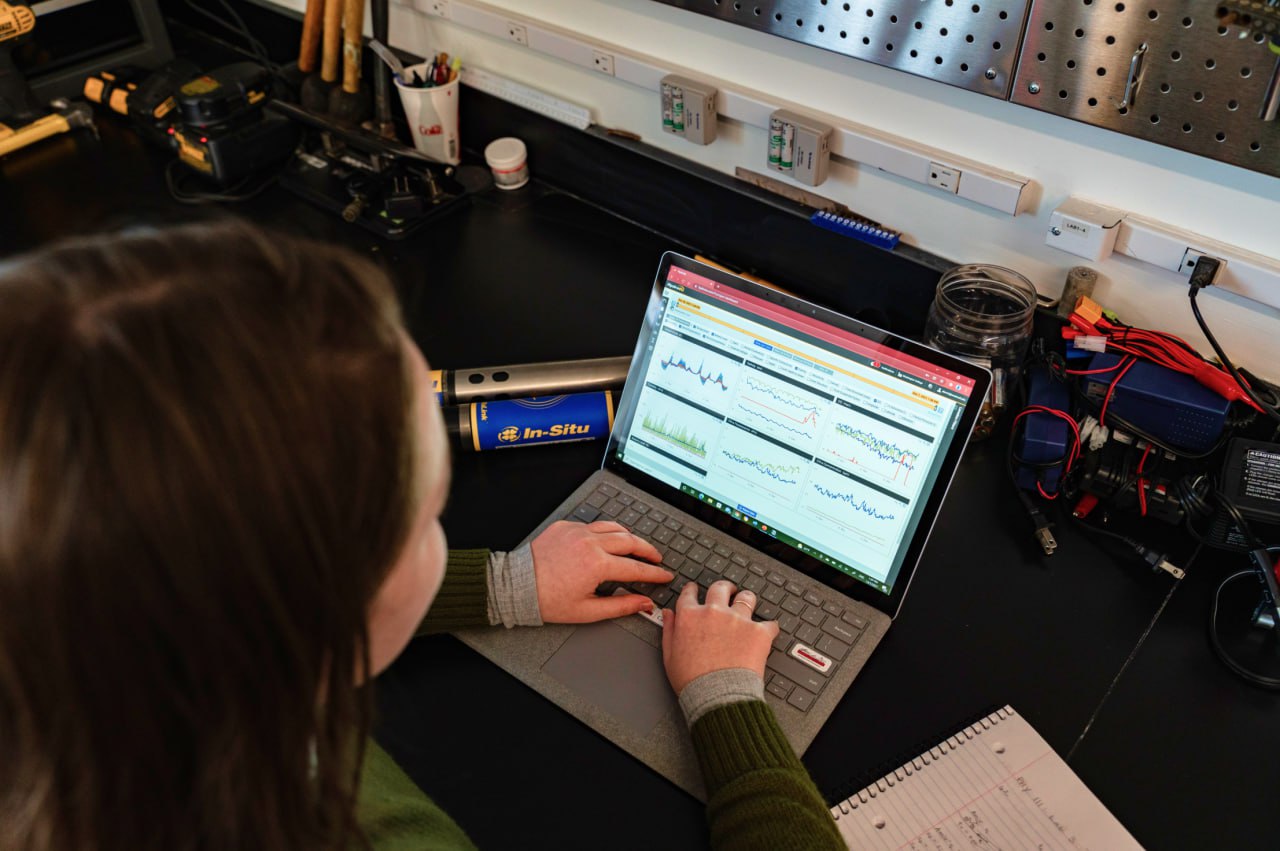
Remote Environmental Monitoring in Harsh Environments: Reliable Real-Time Data Anywhere
Modern remote environmental monitoring systems combine rugged field instrumentation with reliable telemetry platforms, allowing operators to access live data without needing to be on site. A properly designed remote environmental monitoring system allows operators to access accurate field data without the need for frequent site visits. Many monitoring installations use equipment from In-Situ Inc together with telemetry solutions such as the VuLink communication device or independent telemetry platforms from YDOC, depending on the requirements of the application. This flexibility allows monitoring systems to be configured for anything from a single borehole to a complex multi-site environmental monitoring network.
Challenges of Remote Environmental Monitoring in Harsh Environments
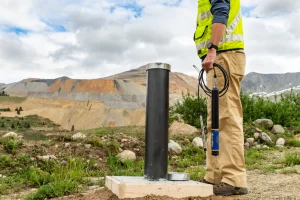 Environmental monitoring equipment must often operate in conditions that place extreme demands on both sensors and data systems. These may include exposure to severe weather, limited power availability, biological fouling, corrosive water, and sites that are difficult or dangerous to reach.
In many cases, manual sampling is not practical. Travelling to site may require significant time, specialised access, or strict safety procedures, and important events can easily be missed between visits. For this reason, monitoring systems must be capable of long-term deployment with minimal maintenance while still providing reliable measurements.
Field-proven instrumentation such as multiparameter sondes, water level loggers, and optical dissolved oxygen sensors from In-Situ Inc are designed specifically for environmental monitoring in these conditions. These instruments can connect directly to telemetry devices such as the VuLink for simple cloud connectivity, or they can be integrated with external telemetry platforms from YDOC where larger or more complex monitoring systems are required.
Continuous Data Without Constant Site Visits
A key advantage of modern monitoring systems is the ability to collect and transmit data automatically. Solar-powered monitoring stations can operate for long periods in remote locations, while telemetry systems send readings to secure online platforms where they can be viewed in real time.
In some installations, In-Situ instruments connect directly to the VuLink communication device, providing a simple and reliable solution for remote monitoring. In other cases, telemetry platforms from YDOC are used to integrate multiple sensors, loggers, and monitoring points into a single system.
This approach allows monitoring solutions to be tailored to the site, whether the requirement is a single remote borehole, a wastewater treatment works, or a large environmental monitoring network covering multiple locations.
Real-time access to data also allows alarm notifications to be generated automatically when limits are exceeded, providing early warning of potential problems.
Benefits of Remote Environmental Monitoring Systems
Remote monitoring provides several important advantages compared to manual measurements.
Reduced site visits improve safety by limiting the need for personnel to enter hazardous areas.
Operating costs are lower because less time is spent travelling to remote locations.
Continuous data provides stronger records for reporting and compliance purposes.
Real-time alarms allow faster response to pollution events, equipment failures, or unexpected changes in water levels.
Long-term datasets make it possible to identify trends that would not be visible from occasional sampling.
Systems that combine reliable field instrumentation from In-Situ Inc with appropriate telemetry solutions, including VuLink or remote monitoring platforms from YDOC, ensure that accurate data can be collected and accessed even in the most challenging environments.
Selecting the correct combination of sensors, loggers, and telemetry is essential for long-term reliability and dependable environmental data.
Typical Applications
Remote environmental monitoring systems are widely used in:
-
Tailings dam monitoring
-
Groundwater level monitoring
-
Wastewater lagoon monitoring
-
Catchment and river monitoring
-
Flood warning systems
-
Mine water monitoring
-
Environmental compliance monitoring
In each of these applications, the ability to collect accurate data without constant site visits improves both efficiency and confidence in the results.
Conclusion
Remote environmental monitoring has become essential for sites where manual measurements are difficult, dangerous, or impractical. Reliable systems must be able to operate unattended, withstand harsh conditions, and deliver accurate data in real time.
By combining robust field instrumentation from In-Situ Inc with suitable telemetry solutions, including the VuLink communication device or remote monitoring platforms from YDOC, monitoring systems can be configured to suit a wide range of harsh and remote environments.
Accurate, reliable data allows operators to respond faster, reduce risk, and make better decisions, supporting sustainable water management through reliable, long-term monitoring.